


Last month, on my trip back from a week of keynotes in New York, everything seemed primed for disaster.
A government shutdown.
Snow and rain in Upstate NY.
Three-hour drive to the airport.
A 6 PM flight I assumed would be canceled
My mind was fully forecasting chaos, delays, rerouting, stress… you name it.
But none of it happened.
The roads were clear.
My flight was only 30 minutes delayed.
And I got home right on schedule.
All that worrying and stressing… for nothing.
Here is the Thing:
This is the negativity bias at work — our brain’s natural habit of assuming danger or disaster.
It’s not a flaw — it’s biology.
But we don’t have to let it run the show.
When you recognize the pattern, you can interrupt it.
You can breathe.
You can ask: “What else could be true?”
This Weeks Mindset Fuel:
📘Book:
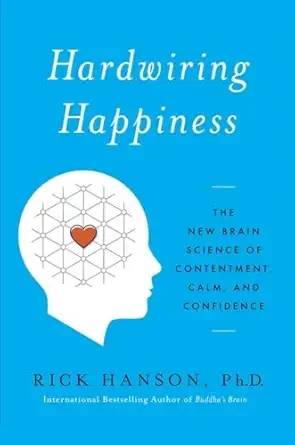
Hardwiring Happiness: The Brain Science of Contentment, Calm and Confidence - Dr. Rick Hanson
Hanson explains the negativity bias in a simple, practical way — why our brain automatically scans for danger, jumps to worst-case scenarios, and creates stress even when nothing is wrong. He teaches tools for balancing your brain, recognizing fear-based forecasts, and choosing realistic, grounded thinking.
🎥Ted Talk:
Kelly McGonigal - “How to Make Stress Your Friend”

In this talk, McGonigal flips the script on the way we anticipate stress. She explains why our minds exaggerate potential problems, and how choosing a different interpretation changes our entire experience.
🎧Podcast:
Stop Stressing About Stressing - The Happiness Lab by Dr. Laurie Santos
Dr Jenny Taitz has some effective tips to help you greet stress more healthily. A clinical psychologist and the author of Stress Resets: How to Soothe Your Body and Mind in Minutes, Dr Jenny explains that if we think differently about challenges and tough situations and take action, then stress can become a friend rather than a foe.
Fear Means It’s Go Time: Action Step
This week, when your brain jumps to the worst-case scenario, pause and replace it with one neutral or positive possibility. Ask yourself, “what’s the best-case scenario here” and keep your focus on this. Repeat it in your mind over and over again.
If negativity bias is something you struggle with, you’ll love Module 2 of Crush the Inner Critic.You can join here: Crush the Inner Critic; Transforming Self Talk for Professional Success
Your mind is powerful — and retrainable.One thought at a time.
Happy Holidays,
-Missy



Want to learn more? Check out my website
& Missy West Speaker Website here. To make sure you keep getting these emails, can you add Missy@themissywest.com to your email contact list.
If you were forwarded this by a friend,
you can click here to get your own newsletter from me.
Business Address:
ORCA Leadership, LLC
PO Box 172116
Tampa FL 33672
